Introduction
In today’s competitive retail environment, crafting a meaningful in-store experience is no longer optional - it’s essential. As customers increasingly seek immersive, human-centered interactions during their shopping journeys, brick-and-mortar businesses must go beyond visuals and products to offer multisensory experiences that leave a lasting impression. Among these sensory elements, music plays a uniquely powerful yet frequently underestimated role.
When implemented strategically, music becomes more than just ambient sound - it acts as a psychological catalyst, an emotional bridge, and a branding device. The right music not only affects customer behavior but also elevates the entire atmosphere of your retail space. This article explores the psychological foundations of music in retail, outlines proven strategies, and highlights how brands can use music to turn ordinary visits into memorable encounters.
Why Music Matters in the In-Store Experience
Music has the power to change how people feel and behave. In the context of a retail environment, this influence becomes a strategic advantage. Thoughtfully selected music can:
- Improve customers’ moods and lower stress levels
- Make them feel more welcome and emotionally engaged
- Extend the amount of time they spend in-store
- Trigger buying decisions and enhance their perception of the brand
Ultimately, music supports a more complete and emotionally resonant brand experience. It fills the gap between design and interaction, turning passive visitors into active, emotionally invested customers.

The Psychology of Music in Retail
Research from behavioral science consistently shows that music affects the human brain in powerful ways. In stores, it can subtly guide decisions, alter perceptions of time, and foster loyalty.
Key Effects of Music on Shoppers
- Mood Enhancement: Pleasant, upbeat music can reduce shopper anxiety and put them in a better frame of mind, which increases the likelihood of purchasing.
- Time Perception: Slow, melodic music has been shown to make customers perceive time as moving more slowly, which can encourage longer browsing sessions and more product interactions.
- Emotional Connection: Music that resonates emotionally strengthens the bond between customer and brand. Familiar songs or emotionally evocative melodies can anchor positive associations in memory.
- Memory and Brand Recall: When your soundscape becomes part of your brand identity, it helps customers remember your store experience more vividly - leading to greater recall and return visits.
Ways Music Enhances Retail Performance
Enhancing Atmosphere
The auditory environment of a retail space plays a huge role in how it feels. The right playlist adds a sensory layer that mirrors the values and personality of your brand. For example:
- A high-intensity playlist in an athletic wear store communicates energy, motivation, and action.
- A curated blend of soft instrumental or acoustic tracks in a boutique promotes calmness and encourages thoughtful shopping.
This curated atmosphere invites customers to stay longer, interact more, and view the shopping experience as enjoyable rather than transactional.
Influencing Buying Behavior
Multiple studies demonstrate that music has a measurable impact on how shoppers behave. It can:
- Encourage Spending: Music that complements the store layout and merchandise type creates a seamless experience, encouraging customers to browse longer and buy more.
- Increase Dwell Time: A warm, welcoming soundscape reduces the psychological urge to rush, especially when paired with comfortable lighting and layout.
- Drive Impulse Purchases: Catchy or emotionally uplifting tracks can make customers feel good - leading to spontaneous purchases prompted by emotional cues.
Reinforcing Brand Identity
Your music choices communicate your brand’s personality in a way that’s non-verbal but deeply felt. A thoughtfully built playlist:
- Reaffirms what your business stands for
- Sets emotional expectations for how customers will experience your space
- Enhances your visual identity with a matching sonic tone
When customers hear a familiar style or rhythm that aligns with your branding, it creates a cohesive and immersive environment they can connect with.
Boosting Staff Morale
The benefits of music extend to your employees. A well-curated playlist can:
- Create a more energizing and motivating work environment
- Help reduce stress or fatigue during long shifts
- Foster a shared rhythm or pace in daily operations
Happy, focused employees provide better customer service - reinforcing the positive effects of music on your overall business.

How to Craft the Perfect In-Store Playlist
Match Music to Your Brand and Audience
Every brand has its own voice - and that voice should echo through the music in your space. Start by identifying your core values, visual identity, and emotional tone. Then consider the preferences of your target demographic:
- A high-end boutique may opt for instrumental jazz, ambient electronica, or modern classical.
- A youth-centric fashion store might thrive on trending indie pop, R&B, or upbeat dance tracks.
Your goal is to create harmony between your brand’s essence and your customers’ expectations.
Curate by Mood, Tempo, and Spatial Dynamics
- Tempo: Faster tempos inject energy and excitement, while slower tempos promote calm and intimacy.
- Volume: Volume levels should be perceptible yet never disruptive. Consider adjusting volume by time of day or foot traffic.
- Style Variation: Avoid repetitive playlists by rotating music genres within a consistent brand-aligned theme.
The playlist should breathe with your space - changing gently with the mood, time, and crowd level.
Update Seasonally and Strategically
Keeping your playlist fresh reinforces that your store is dynamic and attuned to context. Update music to reflect:
- Seasonal trends and weather changes
- Sales events or product launches
- Holiday periods with themed selections
These subtle changes keep the soundscape engaging and relevant.
Work with Music Curation Professionals
Creating a music strategy that is legal, emotionally effective, and aligned with your business takes expertise. Services like Closer Music offer:
- Tailor-made playlists that embody your brand identity
- All music produced in-house and rights-cleared
- Ongoing support and seasonal updates for long-term consistency
Working with experts means your store always sounds as good as it looks.

Real-World Success Stories
Apple Stores
Minimalist, ambient music complements Apple’s sleek store design and product aesthetic, fostering a sense of innovation, calm, and precision.
Sephora
Energetic, trend-conscious music mirrors Sephora’s youthful, fashion-forward energy - creating excitement that encourages product exploration.
Starbucks
Familiar, curated playlists combine indie, acoustic, and soft jazz elements to evoke relaxation and connection - encouraging customers to linger and return.
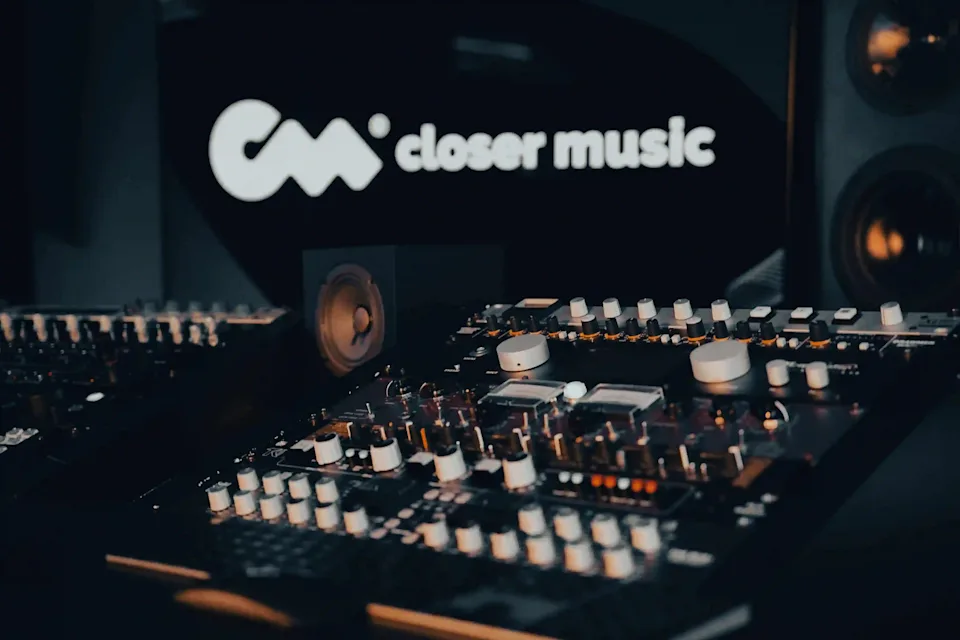
Why Brands Choose Closer Music
At Closer Music, we specialize in designing soundscapes that go far beyond generic playlists. Our services are centered on strategy, creativity, and precision:
- Custom-curated playlists aligned with your brand mission
- 100% original, in-house music to eliminate royalty issues
- Sonic branding expertise that enhances customer connection
Whether you’re aiming to calm, energize, or inspire, we craft soundtracks that move people - emotionally and behaviorally.
FAQs: In-Store Music Strategy
Q: What kind of music works best in retail stores? A: It depends on your space, brand tone, and target audience. Luxury spaces often benefit from calm, refined music. Energetic stores may do better with upbeat and trendy playlists.
Q: How does music influence customer behavior? A: Music sets emotional cues. It can reduce stress, extend visit duration, and trigger impulse purchases - making customers more open to buying.
Q: Do I need a license to play music in my store? A: Yes. Playing music without proper licensing can lead to legal issues. Services like Closer Music ensure you use only fully licensed, royalty-free content.