The AI Revolution in Music
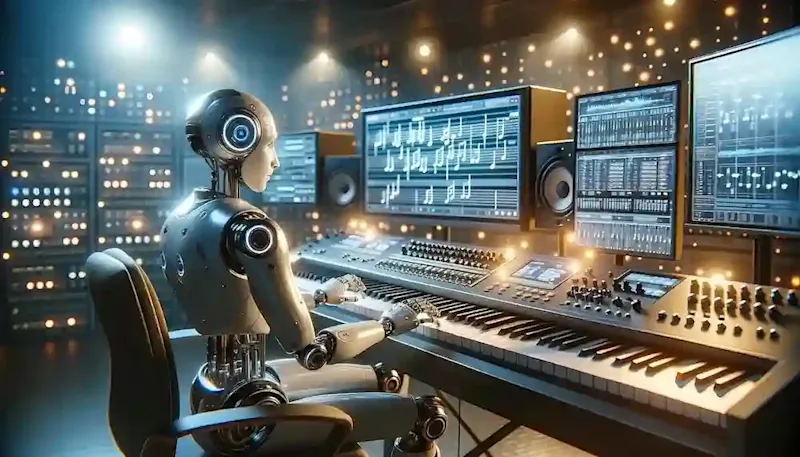
Artificial intelligence is rapidly transforming industries worldwide, and the music industry stands among those most profoundly affected. From automated composition to precision mastering, AI is reshaping the way music is conceived, produced, distributed, and even experienced. As we look toward the future, the integration of AI into sound production is creating both exciting opportunities and complex challenges for artists, producers, and listeners alike.
This article explores the current landscape of AI in music production, highlights its key benefits, addresses critical concerns, and offers insights into what the future may hold for this evolving relationship between human creativity and machine intelligence.
How AI Is Used in Music Production Today
AI-Generated Music
One of the most transformative applications of AI in music is the creation of original compositions. Advanced AI systems like OpenAI’s MuseNet and Google’s Magenta use deep learning models trained on vast libraries of musical works. These systems can analyze melodic patterns, harmonic structures, and stylistic signatures to generate new music across a wide range of genres.
For content creators, filmmakers, and game developers, these tools are invaluable - offering an endless supply of royalty-free, customizable soundtracks. Instead of relying on traditional licensing, creators can now generate background music in seconds, tailored to mood, tempo, or theme.
While these compositions often lack the narrative nuance of human-written pieces, they are increasingly sophisticated, and suitable for commercial and artistic use.
Automated Mixing and Mastering
AI has also streamlined one of the most technical aspects of music production: mixing and mastering. Platforms like LANDR and CloudBounce use machine learning algorithms to analyze raw audio files and automatically apply adjustments such as EQ balancing, dynamic compression, stereo widening, and limiting.
This allows creators - even those without formal training - to produce radio-ready tracks quickly and affordably. What once required a professional studio and hours of meticulous manual work can now be completed in minutes.
For independent musicians and bedroom producers, this democratization of high-end audio finishing is revolutionary, leveling the playing field and encouraging broader participation in music creation.
Lyrics and Melody Assistance
Songwriters are also benefiting from AI tools designed to enhance lyrical and melodic creativity. Applications like Amper Music and AIVA can suggest chord progressions, harmonies, and lyrical structures based on user prompts or input data.
These tools can:
- Overcome creative blocks
- Inspire experimentation with new genres or writing styles
- Serve as collaborative “sparring partners” in the early phases of songwriting
Rather than replacing the creative process, these AI systems act as catalysts - generating possibilities and allowing artists to shape the final direction.
Green space in the corner of a building
The Benefits of AI in Music Creation
Increased Accessibility
Perhaps the most profound benefit of AI in music production is increased accessibility. Expensive gear, technical expertise, and studio time have traditionally posed barriers to entry. AI lowers those barriers, allowing virtually anyone with a computer to create high-quality music.
Aspiring artists from underrepresented communities, hobbyists, and small-scale producers now have tools that were once the exclusive domain of major labels and professional engineers. This democratization fosters diversity, innovation, and global participation in the music economy.
Enhanced Creativity
AI is often misunderstood as a replacement for human creativity - but its true strength lies in amplifying it. By automating repetitive and time-consuming tasks such as beat alignment, vocal tuning, or mastering, AI frees artists to focus on the expressive elements of music-making.
Moreover, AI can offer new sonic ideas that challenge artists to think differently - introducing alternative chord voicings, unusual instrument combinations, or unexpected rhythmic variations.
Used thoughtfully, AI becomes a source of inspiration, not imitation.
Greater Efficiency and Speed
In a digital-first world where releasing music quickly can make or break a career, AI delivers a critical advantage: speed.
Tasks that once required hours - or even days - can be accomplished in real time or via batch automation. AI allows musicians to iterate more quickly, test multiple versions of a mix, or release music on tight deadlines without sacrificing production quality.
For labels, publishers, and sync agencies, this translates into faster content pipelines and increased output, meeting the growing demand for music across platforms.
Challenges and Concerns with AI in Music
Loss of Human Touch
While AI-generated music can be technically impressive, it often lacks the emotional subtlety and personal storytelling that characterize human-made compositions.
Music, at its core, is a reflection of lived experience - joy, grief, love, rebellion - and AI does not (yet) possess consciousness or emotional intuition. There is concern that as AI-generated music becomes more common, it could dilute the emotional richness of the art form.
This raises important artistic and philosophical questions: Can machines truly make music that moves us? Or are they simply producing sound that imitates its structure?
Ethical and Copyright Issues
AI introduces complex legal and ethical issues into the music space. For example:
- Who owns a song composed by AI?
- Is the AI's "inspiration" from human works a form of plagiarism?
- Can AI be held liable for copyright infringement?
As AI continues to learn from vast datasets - including copyrighted works - there’s growing debate about how much influence is too much, and how to protect original artists’ rights in an era of machine-generated output.
This legal grey zone will require updated intellectual property frameworks and careful regulation to balance innovation with artistic protection.
Job Displacement in the Music Industry
Another concern is the potential for AI to displace certain roles within the music industry. Tasks traditionally performed by audio engineers, arrangers, or even session musicians may now be handled by algorithms.
While AI is not likely to replace visionary creators, it could shift how value is distributed - favoring those who adopt and control these technologies over those who do not. The industry must prepare for this transition with ethical foresight, investing in retraining and redefining creative roles rather than eliminating them.
What the Future Holds for AI in Music
AI as a Collaborative Creative Partner
Looking forward, AI is likely to move from tool to partner. Imagine a future where AI systems can:
- Improvise during live jam sessions
- Co-compose symphonies in real time
- Adapt dynamically to performers on stage
Musicians could interact with AI in intuitive ways, much like collaborating with a bandmate or producer. This opens the door to entirely new genres, performance formats, and hybrid compositions that blend code and emotion.
Hyper-Personalized Music Experiences
AI also has the potential to tailor music experiences to the individual listener. Based on a user’s listening history, mood, time of day, or even biometric data, AI could:
- Generate custom soundtracks in real time
- Modify music intensity or tempo to suit activity (e.g., running, meditation)
- Deliver adaptive playlists that evolve with the listener’s life
This level of personalization could change how we relate to music - shifting it from a passive activity to a deeply responsive and interactive experience.
Transforming Music Distribution and Royalties
On the business side, AI could streamline and transform music distribution models. When combined with blockchain technology, AI may enable:
- Smart contracts that track and automate royalty payments
- Instant data analytics for usage tracking across platforms
- Fraud detection in music licensing and sampling
These tools would make music rights management more transparent, equitable, and scalable - benefiting artists, publishers, and rights organizations alike.